

As a seasoned bearing supplier, I've witnessed firsthand the critical role bearings play in various industries. From automotive to aerospace, these seemingly small components are the unsung heroes that keep machinery running smoothly. However, like any mechanical part, bearings can experience wear and tear over time, leading to potential problems. In this blog post, I'll share some common signs of a bad bearing to help you identify issues early and prevent costly breakdowns.
Unusual Noise
One of the most obvious signs of a bad bearing is unusual noise. When a bearing is in good condition, it should operate quietly. However, if you start to hear grinding, squealing, or rumbling sounds coming from your machinery, it could be a sign that the bearing is damaged. These noises are often caused by worn-out or misaligned bearings, which can create friction and vibration as they rotate.
For example, if you're working on a car and notice a high-pitched squeal coming from the engine, it could be a sign that the alternator bearing is failing. Similarly, if you're operating a conveyor belt and hear a grinding noise, it could indicate that the bearings in the rollers are worn out. In either case, it's important to address the issue as soon as possible to prevent further damage to the machinery.
Excessive Vibration
Another sign of a bad bearing is excessive vibration. Bearings are designed to support and guide rotating shafts, and when they're working properly, they should minimize vibration. However, if a bearing is damaged or worn out, it can cause the shaft to vibrate more than normal. This can lead to a number of problems, including increased wear and tear on other components, reduced efficiency, and even structural damage to the machinery.
To detect excessive vibration, you can use a vibration analyzer or simply feel the machinery with your hand. If you notice that the vibration is more intense than usual, or if it's accompanied by unusual noise, it's a good indication that there's a problem with the bearing. In some cases, you may also be able to see the bearing vibrating or wobbling, which is a clear sign that it needs to be replaced.
Increased Temperature
A third sign of a bad bearing is increased temperature. Bearings generate heat as they rotate, but in normal operation, the heat should be dissipated through the lubricant and the surrounding environment. However, if a bearing is damaged or overloaded, it can generate more heat than normal, causing the temperature to rise. This can lead to a number of problems, including reduced lubricant effectiveness, increased wear and tear on the bearing, and even bearing failure.
To monitor the temperature of a bearing, you can use a temperature sensor or an infrared thermometer. If you notice that the temperature is higher than normal, or if it's increasing rapidly, it's a good indication that there's a problem with the bearing. In some cases, you may also be able to smell a burning odor, which is a sign that the bearing is overheating.
Leaking Lubricant
A fourth sign of a bad bearing is leaking lubricant. Bearings are typically lubricated to reduce friction and wear, and if the lubricant is leaking, it can indicate that there's a problem with the bearing seal or the bearing itself. Leaking lubricant can also lead to a number of problems, including reduced lubrication effectiveness, increased wear and tear on the bearing, and contamination of the surrounding environment.
To detect leaking lubricant, you can visually inspect the bearing and the surrounding area for signs of oil or grease. If you notice any leaks, it's important to address the issue as soon as possible to prevent further damage to the bearing and the machinery. In some cases, you may be able to replace the bearing seal, but in other cases, you may need to replace the entire bearing.
Reduced Performance
A fifth sign of a bad bearing is reduced performance. Bearings are critical components in many types of machinery, and when they're working properly, they should help the machinery operate smoothly and efficiently. However, if a bearing is damaged or worn out, it can cause the machinery to perform poorly. This can include reduced speed, decreased power, increased energy consumption, and even complete failure of the machinery.
To detect reduced performance, you can monitor the operation of the machinery and compare it to its normal performance. If you notice any changes in the speed, power, or efficiency of the machinery, it's a good indication that there's a problem with the bearing. In some cases, you may also be able to see the machinery struggling to operate, or you may notice that it's taking longer to complete tasks than usual.
How to Address a Bad Bearing
If you notice any of the signs of a bad bearing, it's important to address the issue as soon as possible to prevent further damage to the machinery. The first step is to identify the source of the problem. This may involve inspecting the bearing visually, using diagnostic tools, or consulting with a professional mechanic or engineer. Once you've identified the problem, you can determine the best course of action.

In some cases, you may be able to repair the bearing by replacing the seals, lubricating the bearing, or adjusting the alignment. However, in most cases, it's recommended to replace the bearing entirely. This is because bearings are precision components, and even a small amount of damage can affect their performance and reliability. When replacing a bearing, it's important to choose a high-quality bearing that's compatible with the machinery and the application.
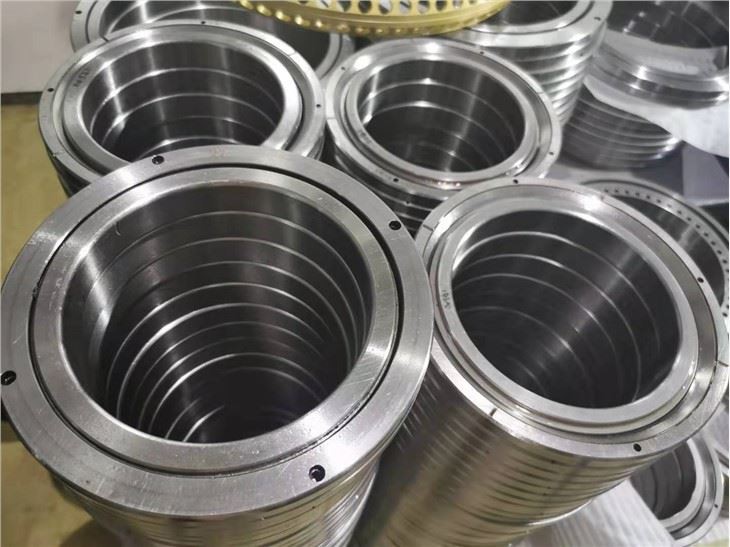
As a bearing supplier, we offer a wide range of high-quality bearings for various industries and applications. Our CRBH Series Crossed Roller Bearing is designed for high-precision applications, while our Crossed Roller Bearing RA13008 RA14008 RA15008 RA16013 and Cross Roller Bearing RB12025 are suitable for heavy-duty applications. We also offer expert advice and support to help you choose the right bearing for your needs.
Conclusion
In conclusion, bearings are critical components in many types of machinery, and it's important to be aware of the signs of a bad bearing. By detecting and addressing bearing problems early, you can prevent costly breakdowns, reduce downtime, and extend the lifespan of your machinery. If you have any questions or concerns about bearings, or if you're looking for high-quality bearings for your application, please don't hesitate to contact us. We're here to help you keep your machinery running smoothly.
References
- Machinery's Handbook, 31st Edition
- Bearing Installation and Maintenance Guide, SKF
- Vibration Analysis for Machinery Condition Monitoring, Mobius Institute


