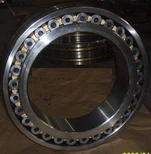


One factor that determines how close rollers can be to each other is the cage (or retainer) holding them all in place, so its design is critical. An important factor in the design of the cage is whether it is made of metal or plastic.
Traditional metal cages use tabs on the carriage that fit into notches on the top and bottom of the rollers to keep them in place. This limits how closely a roller can be positioned between neighboring rollers, which then limits the crossed roller bearing’s load-carrying capacity.
But metal cages are less expensive and can be plain or stainless steel. Metal is more compatible with working in vacuums, including outer space, because plastic can out-gas and cause problems with electronics and optics. Stainless steel can also be beneficial in high-temperate applications and those requiring washdowns and where rust is unacceptable.
Plastic cages fit smoothly around each roller, exposing more of it to the load than a metal cage can. Plastic cages also pack rollers closer together so more rollers can be housed in the same rail. These two features mean the cage and rollers can be shorter while maintaining the same load capacity or the number of rollers can be increased within the same cage (compared to a metal version) and thus increase the load capacity. In fact, a plastic cage can yield a 30% to 58% increase in contact area compared to a metal cage. This increase translates to a 250% increase in load capacity.
Recent development in plastic cages has increased the number of design options available to engineers. They can now be shaped so that there’s even a larger contact area with less space between rollers. Plastic cages can also be thinner in critical areas.