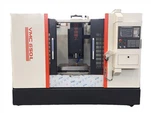


Functions of cnc system in cnc machine tools
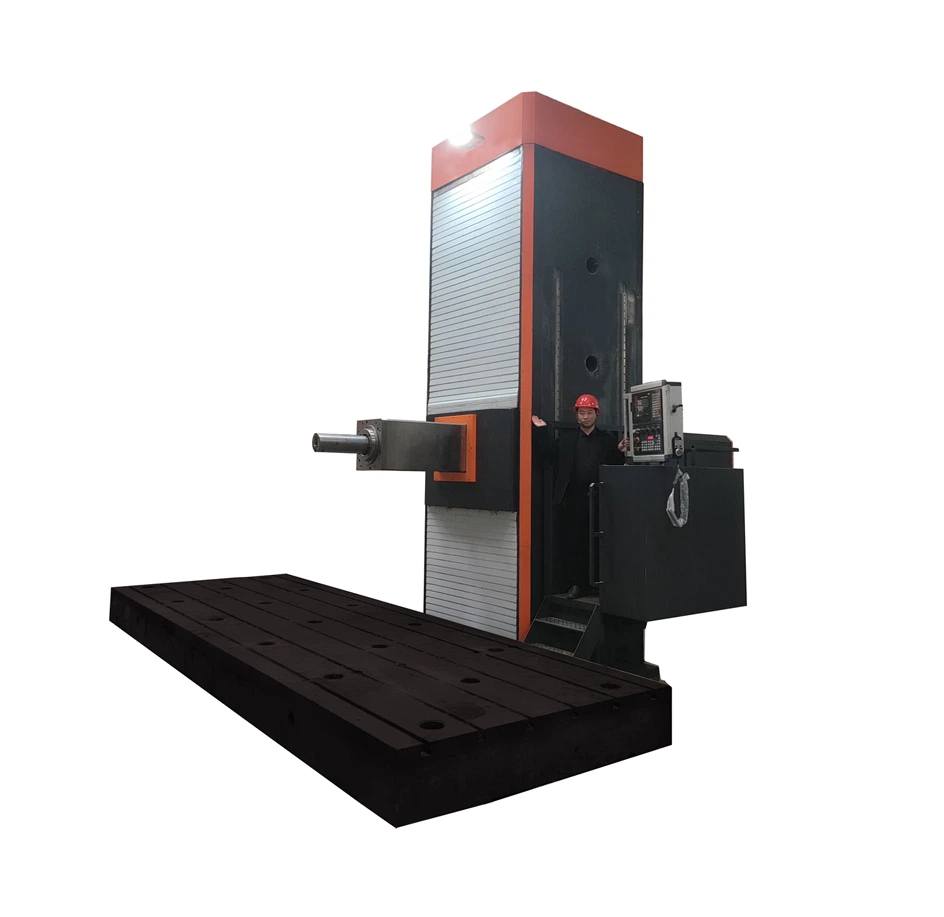
Description
Motion Control: The CNC system controls the motion of the machine tool's axes. It interprets the part program or instructions and generates precise commands to move the machine's axes along their respective paths. The system ensures accurate positioning, speed control, and synchronization of the axes to perform the desired machining operations.
Program Execution: The CNC system reads and executes the part program or machining instructions. It interprets the program's commands, such as tool paths, cutting parameters, and tool changes, and translates them into machine-specific instructions for motion control, spindle rotation, coolant activation, and other operations.
Positioning and Feedback: The CNC system continuously monitors the positions of the machine's axes using feedback devices such as encoders or linear scales. It compares the actual positions with the programmed positions and adjusts the machine's motion to achieve precise positioning. This closed-loop feedback ensures accuracy and compensates for any deviations or errors.
Tool Management: The CNC system manages the tools used in the machining process. It keeps track of tool information such as tool numbers, offsets, and wear compensation data. The system automatically selects and changes tools as programmed, ensuring the correct tools are used for each machining operation.
Spindle Control: The CNC system controls the rotation speed, direction, and on/off functions of the machine tool's spindle. It receives commands from the program and adjusts the spindle's parameters accordingly, ensuring the proper cutting speed and tool rotation for different machining operations.
Feedrate Control: The CNC system regulates the feedrate of the machine's axes during machining. It determines the appropriate feedrate based on the programmed cutting parameters, tool selection, and material being machined. The system adjusts the feedrate dynamically to maintain optimal cutting conditions and prevent issues such as tool breakage or excessive material removal.
Safety and Error Handling: The CNC system incorporates safety features and error handling mechanisms. It monitors various machine conditions such as overloads, limit switches, tool collisions, or abnormal situations. The system can pause or stop the machine when necessary to prevent damage, protect the operator, or handle errors during machining operations.
Communication and Networking: Modern CNC systems often include communication capabilities to connect with other devices, such as external computers, databases, or manufacturing networks. This allows for data exchange, program loading, remote monitoring, and integration with other manufacturing processes.
summary
These functions collectively enable the CNC system to automate and control the machine tool's operation with high precision, repeatability, and efficiency. By providing accurate motion control, program execution, tool management, and other critical capabilities, the CNC system enhances productivity and ensures consistent quality in CNC machine tool operations.