


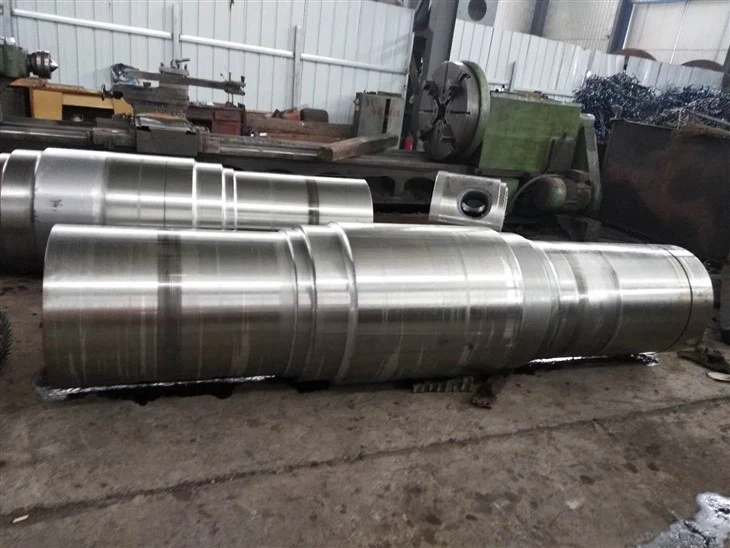

Luoyang Yujie Industry&Trade Co., Ltd is one of the most experienced manufacturers and suppliers of rolling mill rolls in China. Please feel free to buy cheap rolling mill rolls for sale here from our factory. All customized products are with high quality and competitive price.
Products Description
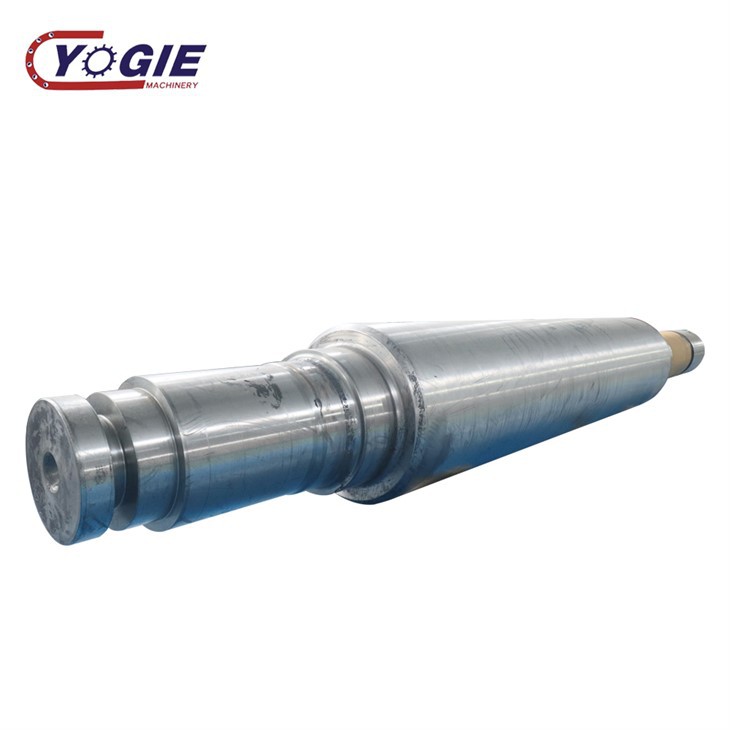
Rolling mill rolls are an integral component of rolling mills, which are industrial machines used in metalworking processes to shape and reduce the thickness of various materials, primarily metals. These rolls play a crucial role in shaping and forming metal into desired shapes and dimensions.

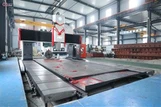
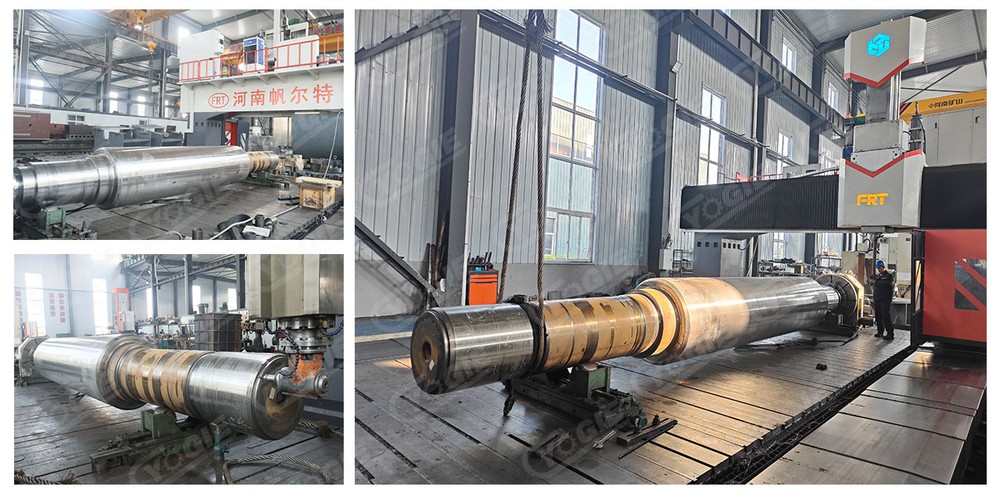
Products machinery processing
Features of rolling mill rolls
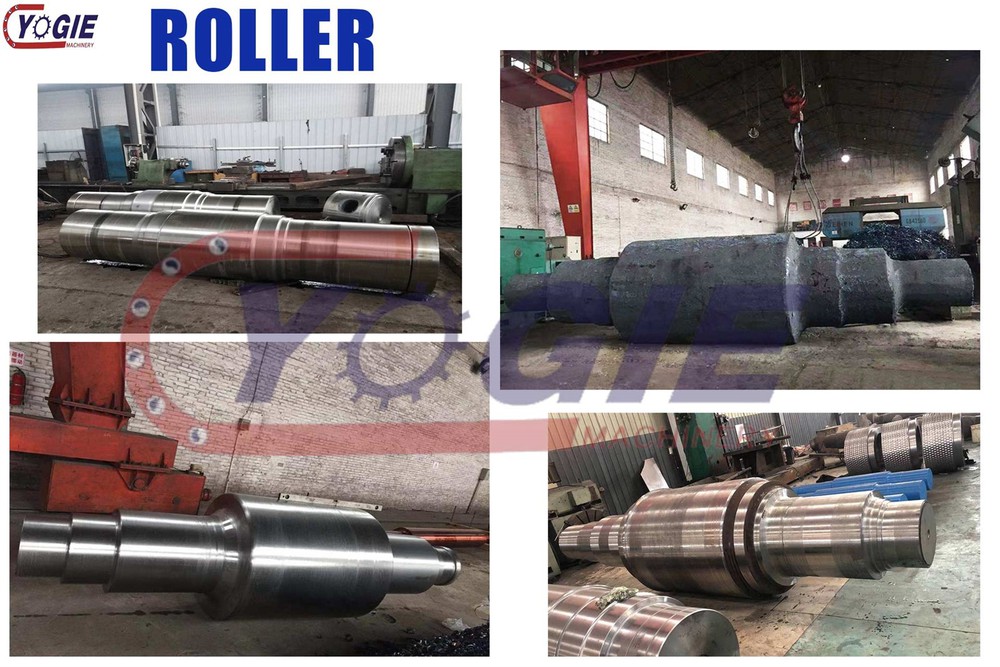
Material Composition: Rolling mill rolls are typically made from high-quality alloy steels, such as tool steels, high-speed steels, or special-purpose alloys. These materials are chosen for their hardness, wear resistance, and ability to withstand high temperatures and mechanical stress.
Surface Finish: The surface of rolling mill rolls is carefully machined and treated to achieve a smooth and uniform finish. This ensures that the rolls can effectively shape the metal without leaving undesirable marks or imperfections on the finished product.
Profiles and Patterns: The shape and pattern of the rolls' surface determine the final shape and texture of the metal being rolled. Different profiles and patterns are used for specific applications, such as flat rolling, section rolling, or specialized processes like thread rolling.
functions of rolling mill rolls
Reduction of Thickness: The primary function of rolling mill rolls is to reduce the thickness of metal sheets, bars, or other forms of metal stock. The metal is passed between the rolls, which apply compressive forces to gradually decrease its thickness and increase its length.
Shape Formation: Rolling mill rolls are used to shape metal into various forms, such as flat sheets, rods, wires, and structural shapes. The rolls' contours and profiles guide the metal into the desired shape as it passes through the rolling mill.
Surface Finish: The texture and finish of the rolling mill rolls influence the surface finish of the rolled metal. Smooth rolls create a polished surface, while rolls with specific patterns can produce textured finishes for aesthetic or functional purposes.
Temperature Control: In some rolling processes, the rolls are cooled or heated to control the temperature of the metal being rolled. This can help improve the material's properties and facilitate the forming process.
Precision and Consistency: Rolling mill rolls are engineered to provide consistent and precise shaping of metal products. Their precision ensures uniform dimensions, tolerances, and surface quality across the rolled material.
Durability and Wear Resistance: The high-quality materials used in manufacturing rolling mill rolls ensure their durability and resistance to wear, even under the harsh conditions of metalworking processes.
Versatility: Rolling mill rolls can be customized for various applications, allowing manufacturers to produce a wide range of products with different shapes, sizes, and surface finishes.
Summary
Rolling mill rolls are essential components in the metalworking industry, playing a pivotal role in transforming raw materials into usable and marketable products. Their design, composition, and precision are critical factors that contribute to the quality and efficiency of the metal shaping process.
work principles of rolling mill rolls
Rolling mill rolls play a crucial role in the metalworking process, specifically in the rolling of metal sheets, strips, and profiles. These rolls are responsible for reducing the thickness of the metal and shaping it into the desired form. The work principle of rolling mill rolls involves several key concepts:
Rolling Process: Rolling is a metal forming process that involves passing a metal workpiece (usually in the form of a sheet or slab) through a pair of rotating rolls. The rolls exert compressive forces on the workpiece to reduce its thickness and shape it.
Reduction in Thickness: The primary function of rolling mill rolls is to reduce the thickness of the metal workpiece as it passes through the rolls. This reduction is achieved through a combination of compressive and shearing forces applied by the rolls.
Types of Rolls: Rolling mill rolls come in various types, including work rolls, backup rolls, and intermediate rolls. Each type has a specific function within the rolling process. Work rolls are the primary rolls responsible for directly contacting and shaping the metal.
Roll Arrangement: Rolling mills can have different arrangements of rolls, such as two-high, three-high, four-high, or cluster mills. The choice of arrangement depends on the specific requirements of the rolling operation.
Rolling Direction: The workpiece can be rolled in two primary directions: hot rolling and cold rolling. Hot rolling is done at elevated temperatures to reduce the workpiece's thickness, while cold rolling is performed at room temperature to achieve precise thickness and surface finish.
Passes and Stands: Rolling mills often consist of multiple stands or passes, where the workpiece goes through a series of rolls to achieve the desired thickness and shape. Each stand contributes to the reduction in thickness incrementally.
Rolling Force and Torque: The rolls apply a significant rolling force and torque to deform the metal. The magnitude of these forces depends on the material being rolled, its thickness, and the desired final dimensions.
Roll Wear and Maintenance: Rolling mill rolls are subject to wear and must be periodically replaced or reconditioned. Roll maintenance is essential to ensure consistent product quality and prevent surface defects on the rolled material.
Roll Cooling and Lubrication: In some cases, cooling and lubrication systems are used to control the temperature of the rolls and reduce friction between the rolls and the workpiece, which helps prolong the life of the rolls and maintain product quality.
Quality Control: Quality control measures are crucial in the rolling process to ensure the final product meets specifications. This includes monitoring parameters like thickness, width, and surface finish.
Hot Tags: rolling mill rolls, manufacturers, supplier, factory, customized, cheap, price, in stock, for sale