

Hey there! As an end cover supplier, I often get asked about how to select the right end cover for a specific application. It's not as simple as it might seem because there are a bunch of factors you need to take into account. In this blog, I'll walk you through the key things to consider when choosing an end cover, so you can make the best decision for your needs.
1. Understand the Application Requirements
The first step in selecting an end cover is to really understand what the application is all about. What's the end cover supposed to do? Is it for protecting something inside, providing a seal, or maybe just for aesthetic purposes? For example, if you're working on a Rotary Kiln Parts Casting Kiln Tyre Riding Ring, the end cover will need to be able to withstand high temperatures and heavy loads.
On the other hand, if it's for a more delicate piece of equipment, like a precision instrument, the end cover should be able to offer a high - level of protection without adding too much weight or bulk. You also need to think about the environment where the application will be operating. Will it be in a wet, corrosive environment? If so, you'll need an end cover that's resistant to corrosion. Maybe you're dealing with a Cement Plant Support Roller, which is often exposed to dust and harsh chemicals. In such cases, a durable and sealed end cover is a must.
2. Material Selection
The material of the end cover is crucial. There are various materials available, and each has its own pros and cons.
-
Metal: Metals like steel, aluminum, and stainless steel are popular choices. Steel is strong and can handle heavy loads, making it suitable for industrial applications like those involving kiln roller shaft for cement mill. Aluminum is lightweight and has good corrosion resistance, so it's great for applications where weight is a concern. Stainless steel, as the name suggests, is highly resistant to rust and corrosion, making it ideal for harsh environments.
-
Plastic: Plastics are versatile and come in different types. For example, polycarbonate is strong and transparent, which can be useful if you need to visually inspect what's inside the covered area. PVC is cost - effective and has good chemical resistance.
-
Rubber: Rubber end covers are great for providing a seal. They can be used to prevent leaks, keep out dust, and reduce noise. They're often used in applications where a tight fit is required.
3. Size and Fit
Getting the right size and fit is super important. An end cover that's too big won't provide the necessary protection, and one that's too small won't fit at all. You need to measure the opening or the area that needs to be covered accurately. Consider not only the diameter or length but also any irregular shapes.
If you're dealing with a custom - made application, you might need to work with a supplier who can create a custom - sized end cover. At our company, we have the expertise and equipment to produce end covers in various sizes and shapes to meet your specific requirements.
4. Design and Functionality
The design of the end cover can also impact its functionality. Some end covers are designed to be easily removable, which can be useful if you need to access the equipment inside frequently. Others are meant to be permanently attached for maximum protection.
You might also want to consider features like ventilation holes if the equipment generates heat. For example, if the end cover is for an electrical device, proper ventilation can prevent overheating. Additionally, some end covers have built - in gaskets or seals to enhance their protective capabilities.
5. Cost - Benefit Analysis
Of course, cost is always a factor. You want to get the best value for your money. While it might be tempting to go for the cheapest option, you need to balance cost with quality and performance. A low - quality end cover might save you some money upfront, but it could end up costing you more in the long run if it fails prematurely.
Think about the lifespan of the end cover and how much it will cost to replace it over time. Also, consider the potential losses if the end cover fails to protect the equipment properly. For example, if a faulty end cover on a Rotary Kiln Parts Casting Kiln Tyre Riding Ring leads to damage, it could result in expensive repairs and downtime.
6. Compatibility
Make sure the end cover is compatible with the equipment it's going to be used with. This includes not only the physical dimensions but also the chemical and mechanical compatibility. For example, if the equipment contains certain chemicals, the end cover material should not react with them.
If you're not sure about the compatibility, don't hesitate to ask for advice. Our team of experts is always ready to help you determine the best end cover for your specific application, taking into account all the compatibility factors.

7. Supplier Reputation
Choosing a reliable supplier is key. A good supplier will have a track record of providing high - quality end covers and excellent customer service. They should be able to offer technical support, provide detailed product information, and handle any issues that might arise.
At our company, we've been in the end cover supply business for years. We're committed to providing the best products and services to our customers. We use the latest manufacturing techniques and high - quality materials to ensure that our end covers meet the highest standards.
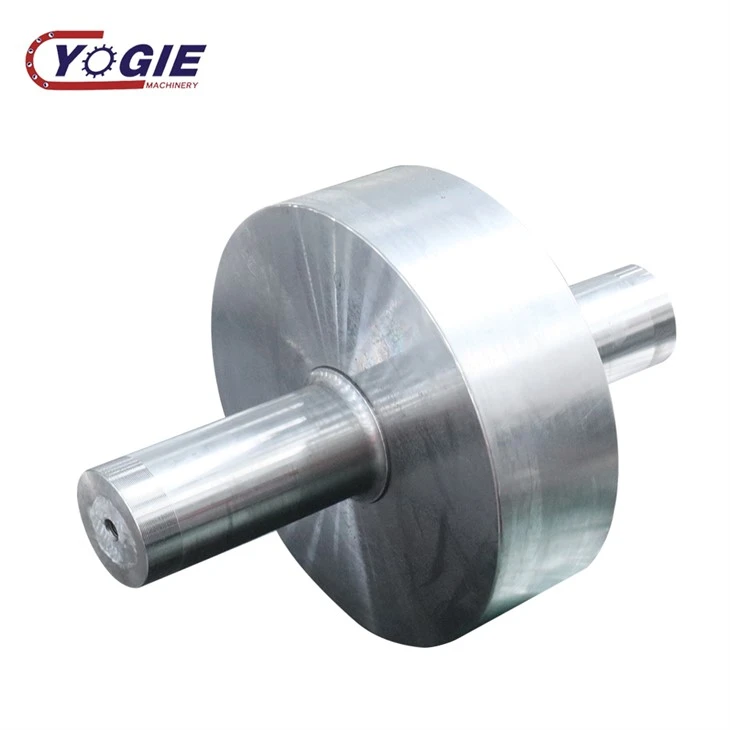
If you're still unsure about how to select an end cover for your specific application, or if you have any questions, don't hesitate to get in touch. Our team is here to assist you every step of the way. Whether you need an end cover for a Rotary Kiln Parts Casting Kiln Tyre Riding Ring, a Cement Plant Support Roller, or a kiln roller shaft for cement mill, we can help you find the perfect solution.
We'd love to discuss your requirements in detail and work with you to ensure that you get the right end cover for your needs. So, why wait? Reach out to us today and let's start this journey together!
References
- "Industrial Equipment Materials Handbook": This handbook provides in - depth information about different materials used in industrial applications, which is useful for understanding the properties of end cover materials.
- "Equipment Design and Maintenance Best Practices": This resource offers insights into the design and functionality requirements of equipment covers, helping to make informed decisions about end cover selection.


