

What are the Machined Deburring Operations Importance?
In the world of machining, deburring operations stand as a crucial yet often underestimated step in the manufacturing process. As a seasoned machined parts supplier, I've witnessed firsthand the profound impact that effective deburring can have on the quality, functionality, and overall success of machined components. In this blog post, I'll delve into the significance of machined deburring operations, exploring why they are essential for producing high - quality parts that meet the strictest industry standards.
Ensuring Product Quality
One of the primary reasons why deburring operations are so important is their role in ensuring product quality. During the machining process, sharp edges, burrs, and rough surfaces are inevitable by - products. These imperfections can compromise the integrity of the final product, leading to a variety of issues. For instance, burrs on a CNC Milling Holes can interfere with the proper assembly of components. If a hole has a burr, it may prevent a shaft or a screw from fitting correctly, leading to misalignment and potential mechanical failures.
Deburring smooths out these irregularities, resulting in surfaces that are flat, even, and free of sharp edges. This not only enhances the aesthetic appeal of the product but also improves its functionality. High - quality machined parts are less likely to experience premature wear and tear, which means they will have a longer service life. In industries where precision is paramount, such as aerospace and medical device manufacturing, the importance of deburring cannot be overstated. A single burr on a critical component could lead to catastrophic failures, putting lives at risk.
Improving Safety
Safety is another critical aspect influenced by machined deburring operations. Sharp burrs pose a significant safety hazard to both workers and end - users. Workers handling machined parts during the manufacturing process can easily cut themselves on these sharp edges, leading to injuries that may require medical attention. Moreover, in industries where parts are handled frequently, the risk of repetitive injuries from contact with burrs is high.
For end - users, sharp burrs can also present a safety risk. Imagine a consumer product, such as a kitchen appliance or a children's toy, with sharp burrs on its edges. This could lead to cuts or abrasions during normal use. By implementing proper deburring processes, we can eliminate these risks and create a safer working and consumer environment.
Enhancing Performance
Deburring operations play a vital role in enhancing the performance of machined parts. In mechanical systems, the smooth movement of components is crucial for optimal performance. Burrs can increase friction between moving parts, leading to energy losses, increased wear, and reduced efficiency. For example, in a cross roller bearing inner ring, cross roller bearing inner ring, any burrs on the inner surface can impede the smooth rotation of the bearing, causing increased noise, vibration, and potential damage to the bearing over time.
By removing burrs, we reduce friction and allow components to move more freely. This results in improved energy efficiency, reduced maintenance requirements, and better overall performance. In automotive applications, deburred parts contribute to better fuel efficiency and a smoother driving experience, while in industrial machinery, they ensure consistent and reliable operation.
Facilitating Assembly
Efficient assembly is a key factor in the manufacturing process. Machined parts with burrs can be difficult to assemble, leading to increased labor costs and longer production times. Burrs can prevent parts from fitting together correctly, requiring additional work to align and assemble them. This not only slows down the assembly line but also increases the likelihood of errors.
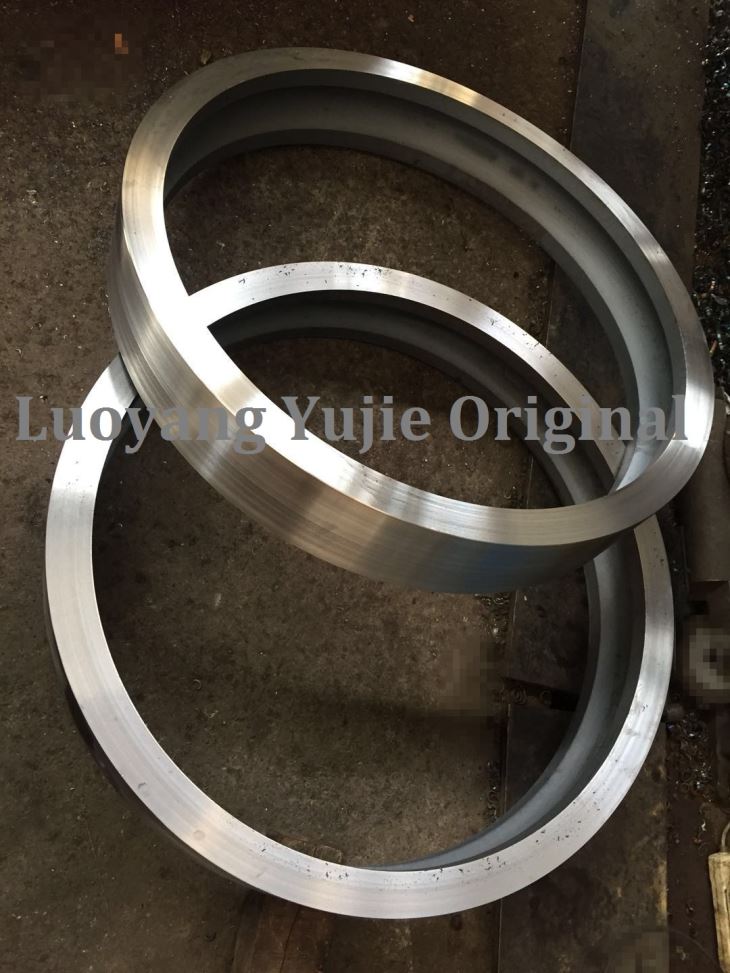

In contrast, deburred parts are easier to handle and assemble. They fit together precisely, reducing the need for manual adjustments and rework. For a Trolley Driving Shaft And Wheel, deburring ensures that the shaft fits smoothly into the wheel, allowing for quick and accurate assembly. This streamlines the manufacturing process, improves productivity, and ultimately leads to cost savings for the manufacturer.
Meeting Industry Standards
Many industries have strict quality and safety standards that machined parts must meet. Deburring is often a requirement for compliance with these standards. For example, in the food and beverage industry, parts must be free of burrs to prevent the accumulation of dirt and bacteria. In the electronics industry, deburred parts are necessary to ensure proper electrical conductivity and prevent short circuits.
As a machined parts supplier, it is our responsibility to ensure that our products meet or exceed these standards. By investing in high - quality deburring operations, we can provide our customers with parts that are compliant with the relevant industry regulations. This not only helps our customers avoid costly fines and legal issues but also strengthens our reputation as a reliable and trustworthy supplier.
Conclusion
In conclusion, machined deburring operations are of utmost importance in the manufacturing process. From ensuring product quality and safety to enhancing performance, facilitating assembly, and meeting industry standards, deburring plays a vital role in every aspect of producing high - quality machined parts. As a machined parts supplier, we understand the significance of deburring and are committed to providing our customers with parts that are free of burrs and meet the highest quality standards.
If you are in need of high - quality machined parts, we encourage you to reach out to us for a procurement discussion. Our team of experts is ready to assist you with all your machining needs. We have the experience, expertise, and state - of - the - art equipment to deliver the best possible solutions for your projects.
References
- "Manufacturing Engineering and Technology" by Serope Kalpakjian and Steven R. Schmid
- "Fundamentals of Machining and Machine Tools" by Peter Oxley


